
Types of Medical Malpractice Cases
- Birth Injuries
- Nursing Home Negligence
- Surgical Errors
- Misdiagnosis

Recent Settlements & Verdicts
- $1,075,000 – Auto Accident Settlement
Delaware County, PA Client was rear-ended by a commercial vehicle.
- $300,000 – Auto Accident Settlement
Client was broad-sided at the intersection of Naamans Creek Road and Route 202.
- $165,000 – Auto Accident Settlement
Client was struck head-on by another car which crossed the double yellow line (Delaware County, PA).
- $100,000 – Auto Accident Settlement
Settlement in a Philadelphia car accident case.
When Medical Care Fails, We Fight for Justice
When healthcare professionals do not provide the care you or your loved ones need, trust our skilled medical malpractice lawyers. We will fight for accountability and the resources to help you and your family.
Medical errors rank as the third leading cause of death in the United States, as reported by the BMJ. It kills approximately 250,000 people per year, that’s nearly half of the population of Chester County. That’s why you need an experienced medical malpractice attorney to help you get justice.
Unfortunately, medical malpractice law isn’t simple, and many personal injury lawyers are unable to handle these complicated cases. In Pennsylvania, there are different types of medical malpractice cases. They are some of the most challenging to prove. We fight to demonstrate the risk posed to the insurance companies to get our clients just compensation.
With 70% of medical professionals in Pennsylvania winning cases, it is important to find a lawyer. Look for one who has a lot of experience in medical malpractice. They should also be a strong advocate in the courtroom.
Donaghue & Labrum is a law firm based in West Chester. We have a lot of experience working with medical providers in Kennett Square, PA.
We know the local hospitals, doctors, and court systems well. This helps us understand the details of these cases in the area. We can help you navigate them effectively.
Opinions: “Overall, I would highly recommend Tyler and the team at Donaghue & Labrum. They will provide a welcomed bit of clarity in otherwise uncertain and unfortunate times.” -Bailey Williamson
Client Testimonials
“Overall, I would highly recommend Tyler and the team at Donaghue Labrum. They will provide a welcomed bit of clarity in otherwise uncertain and unfortunate times.”
Bailey Williamson
“I could not be happier with both the results of my case and the treatment I received at this firm.”
Claire Williamson
“My experience with Donaghue & Labrum, LLP has been excellent. Hugh, Kathy, and Tyler really took the time to answer all of my questions and they gave my case the personal attention it needed.”
Francis Dean
Pursuing the Compensation and Justice You Deserve
What Makes Donaghue and Labrum Different?
Insurance companies play an important role in medical malpractice cases as they are responsible for protecting medical professionals financially. Doctors and similar professionals have to provide an accepted standard of care. If they fail to meet the standard of care and someone gets hurt, they can be held responsible through a malpractice claim.
Understanding medical malpractice cases can be challenging. The lawyers at Donaghue and Labrum know these standards and how to fight to get you justly compensated.
Hugh Donaghue started his career representing insurance companies. He understands how the defense works. He has a knowledge of medical malpractice cases that many other Kennett Square lawyers do not have.
The Kennett Square medical malpractice lawyers at Donaghue and Labrum know that these are much more complex than other types of personal injury cases. A free consultation will cost you nothing, but not calling can lead to thousands in medical bills and suffering. Skip the automated systems and reach out to us directly. Speak with a real lawyer who understands the Kennett Square, PA court system.
Four Key Elements to Win a Medical Malpractice Suit
Duty of Care
You must show that the Defendant(s) had a duty to care for the plaintiff. This means they needed to follow a standard way of treating the plaintiff.
Breach of Duty of Care
After someone establishes a duty of care, they must show that someone broke this duty. This must happen in situations that people could have avoided. The standard of care can change based on the specific details of the claim.
Causation
This means that the failure to follow the appropriate standard of care caused harm or damages to the Plaintiff.
Damages
In a medical malpractice lawsuit, the plaintiff must show that the healthcare provider’s negligence caused them harm.

How Much can You Sue for Medical Malpractice in PA?
While many states have caps on the amount you can sue for, Pennsylvania does not. In fact, limiting the compensation for the suffering caused by healthcare professionals goes against the state constitution.
Last year, victims of these cases received hundreds of millions in compensation.
What Should You Do If You Believe You Were a Victim of Medical Malpractice in Kennett Square, PA?
Proving medical malpractice is a complex and sometimes difficult undertaking. You will need a law firm with the experience and knowledge to effectively handle your case.
This field is complex, with many factors that decide if negligence caused injury or death. It’s important to consult a lawyer experienced in medical negligence, not just one with general personal injury expertise.
Because of the applicable statutes that come into play, there are requirements you must adhere to. You must bring an action within the 2 year statute of limitation. You also must also have a qualified expert sign a certificate stating that there is a case to prosecute. These are things you will need expert assistance with.
Even if you are not well enough to do this yourself, a relative or friend can assist you in starting the process of getting the compensation you deserve.

What are Examples of Surgical Errors?
Surgery is a complex and delicate medical procedure that demands the utmost precision, skill, and attention from medical professionals. While the vast majority of surgeries are successful, errors can and do occur. Surgical errors encompass a range of preventable mistakes that can have devastating consequences for patients. These errors may include:
Wrong-Site Surgery
Performing a procedure on the wrong body part or even the wrong patient.
Anesthesia Errors
Giving incorrect dosages of anesthesia or failing to monitor patients properly during surgery.
Instrument or foreign object retention
Accidentally leaving surgical instruments, sponges, or other foreign objects inside the patient’s body after surgery.
Infections
Failing to maintain proper sterilization protocols, leading to postoperative infections.
Nerve or Organ Damage
Inadvertently damaging nerves, organs, or blood vessels during surgery.
Post-Operative Care Negligence
Inadequate monitoring, follow-up, or care after surgery, leading to complications.
Start Your Surgical Malpractice Claim

Common Causes of Misdiagnosis and Delayed Diagnosis
Accurate and timely diagnosis is the cornerstone of effective medical treatment. However, medical professionals can sometimes make errors in diagnosing conditions, leading to serious health complications or even death. A medical professional misdiagnoses a condition when they inaccurately recognize or diagnose a medical issue, while a delayed diagnosis happens when a medical professional takes a significant amount of time to make the correct diagnosis. Both situations can have dire consequences for patients, causing them to endure unnecessary pain, treatment delays, and worsening health conditions.
Failure to Consider all Possibilities
Medical professionals might overlook key symptoms, leading to an incorrect diagnosis.
Misinterpretation of Test Results
Errors in analyzing laboratory tests, imaging scans, or other diagnostic tools can result in misdiagnoses.
Inadequate Patient History
Not gathering thorough patient histories may lead to incomplete information, affecting accurate diagnoses.
Failure to Consider all Possibilities
Medical professionals might overlook key symptoms, leading to an incorrect diagnosis.
Misinterpretation of Test Results
Errors in analyzing laboratory tests, imaging scans, or other diagnostic tools can result in misdiagnoses.
Inadequate Patient History
Not gathering thorough patient histories may lead to incomplete information, affecting accurate diagnoses.
Communication Breakdown
Poor communication between medical staff can contribute to delayed or incorrect diagnoses.
Lack of Follow-up
Failure to follow up on ongoing symptoms can lead to delayed diagnoses, allowing conditions to worsen.
Start Your Misdiagnosis Malpractice Claim
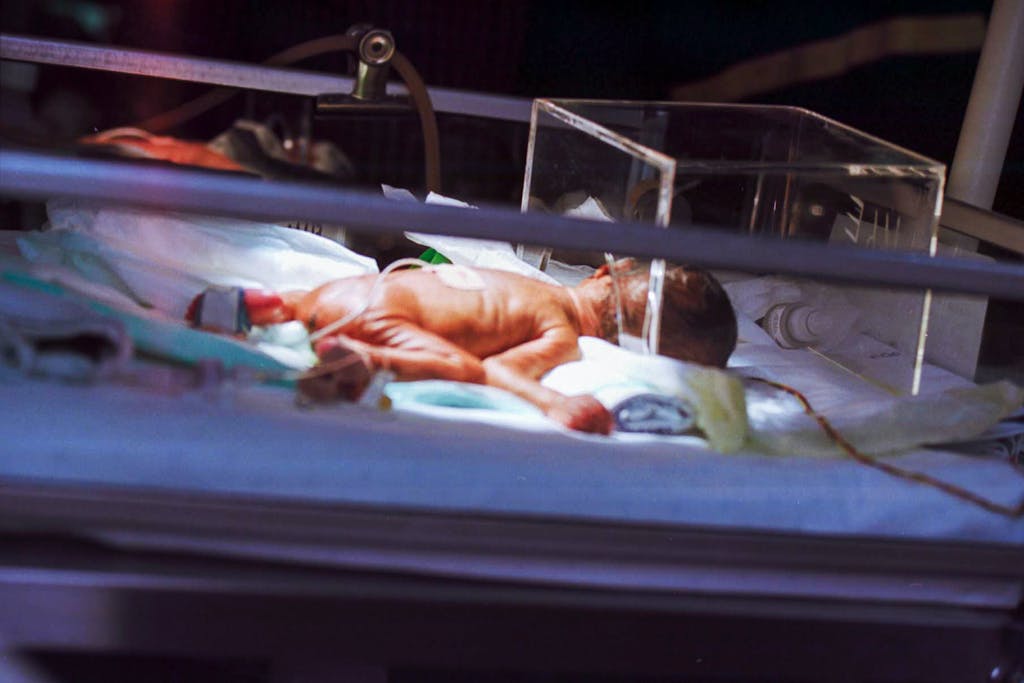
Types of Birth Injuries
The birth of a child is a momentous occasion, filled with hope and anticipation. However, when medical professionals fail to provide the necessary standard of care during childbirth, the consequences can be devastating. Birth injuries can occur due to a range of factors, including inadequate prenatal care, negligence during labor and delivery, or the improper use of medical interventions.
Cerebral Palsy
Often caused by oxygen deprivation during birth, cerebral palsy is a lifelong condition affecting movement and muscle coordination.
Erb’s Palsy
Damage to the brachial plexus nerves can lead to weakness or paralysis in the baby’s arm.
Shoulder Dystocia
Poor management of a difficult delivery can result in the baby’s shoulders getting stuck, leading to nerve damage.
Hypoxic-Ischemic Encephalopathy (HIE)
Oxygen deprivation during birth can cause brain damage and lifelong neurological issues
Facial Nerve Injury
Improper use of forceps or vacuum extraction can lead to facial nerve damage in the newborn.
Fractures
Improper handling during delivery can cause bone fractures, often in the collarbone or clavicle.
Start Your Birth Injury Malpractice Claim

Common Signs of Nursing Home Negligence
Nursing facilities provide comfort, care, and respect for our elderly family members. Sadly, some nursing homes fail to provide the level of care and dignity our seniors deserve. Nursing home abuse can take various forms, including physical, emotional, psychological, and financial mistreatment. This abuse often occurs due to staff negligence, inadequate training, and lack of proper supervision.
Unexplained Injuries
Bruises, fractures, and cuts that cannot be easily explained.
Emotional Withdrawal
Sudden changes in behavior, withdrawal, or signs of depression.
Neglect
Poor hygiene, malnutrition, dehydration, and inadequate medical care.
Isolation
Staff may isolate or restrict residents from social interaction.
Unexplained Financial Transactions
Sudden changes in financial status, unauthorized withdrawals, or missing personal items.
Fractures
Improper handling during delivery can cause bone fractures, often in the collarbone or clavicle.
Start Your Nursing Home Negligence Claim
Informed Consent Does Not Waive Your Right to Make a Medical Malpractice Lawsuit
Patients usually need to sign an informed consent form before having surgery. This procedure aims to inform patients about the possible risks involved and the reality that an unfavorable result may occur.
In reality, of course, people are already committed to that course of action through the advice and care journey they are on. So their actual value as a method of informing the patient is limited. They are therefore also a way for the care provider to fight back against any claims that may arise.
Signing an informed consent form is not a waiver of the patient’s right to be free from harm through negligent medical care. It’s essential to be aware of risks ahead of time. A healthcare professional can document that they made you aware of the potential risks. However, this does not mean you cannot file a claim for medical negligence.
Hospital Malpractice vs. Medical Malpractice
Hospital malpractice is simply medical negligence that has taken place within a hospital setting. Negligence can occur through the actions of any staff employed by the hospital who were responsible for providing care to you. To prove hospital malpractice you need to show that staff within the hospital acted unreasonably and in a manner that resulted in a direct injury to yourself.
It’s essential to consult with an experienced law firm about hospital malpractice as soon as possible. In Pennsylvania, you have a two-year period from the moment you became aware, or should have been aware, of the negligence to submit a medical malpractice claim.
Signing an informed consent form is not a waiver of the patient’s right to be free from harm through negligent medical care. It’s essential to be aware of risks ahead of time. A healthcare professional can document that they made you aware of the potential risks. However, this does not mean you cannot file a claim for medical negligence.
















Let Us Fight For You